
The Digital Product Passport Registry is now a reality
The launch of the European Commission’s Digital Product Passport (DPP) Registry in July 2026 marks a decisive step in Europe’s transition towards a fully digital and circular industrial economy. While the initiative covers numerous product categories under the Ecodesign for Sustainable Products Regulation (ESPR), its impact on the automotive aftermarket and remanufacturing sector is expected to be particularly significant.
As vehicles become increasingly electrified, software-defined and connected, access to reliable product information is becoming just as valuable as the component itself. The Digital Product Passport is set to transform how automotive parts are repaired, remanufactured, reused and recycled, creating new opportunities for manufacturers, independent workshops, remanufacturers, distributors and reverse logistics providers.
How the DPP changes remanufacturing
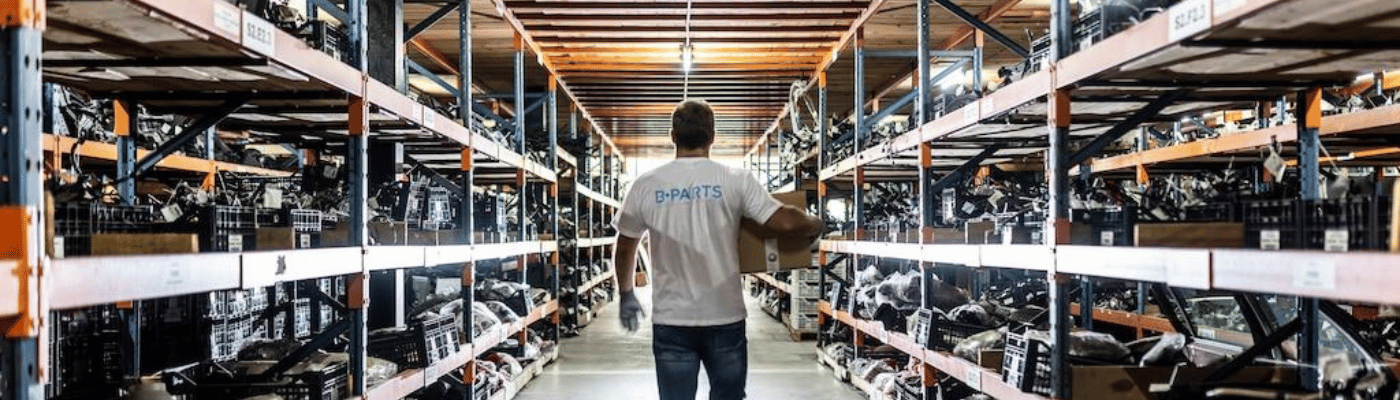
For the automotive remanufacturing industry, one of the biggest challenges has always been access to accurate technical information. Every year, millions of used components, also known as cores, arrive at remanufacturing facilities across Europe. Alternators, starters, turbochargers, steering systems, brake calipers, electronic control units, electric motors and battery packs often reach remanufacturers with little or no documentation about their manufacturing specifications, maintenance history or previous repairs.
As a result, companies spend considerable time inspecting, testing and identifying components before deciding whether they can be economically restored to their original performance standards.
The Digital Product Passport fundamentally changes this process. Every eligible product is assigned a unique digital identity that follows it throughout its entire lifecycle. Through secure access rights, authorised stakeholders can retrieve essential information about each component, including manufacturer details, production date, material composition, technical specifications, repair instructions, software versions, maintenance records and end-of-life recommendations.
Instead of relying on fragmented databases or incomplete documentation, remanufacturers can immediately identify the exact characteristics of the component they are processing. This reduces inspection times and improves production efficiency.
A strategic tool for electric mobility
This increased transparency is particularly important as the automotive industry moves towards electrification. Electric vehicles contain sophisticated power electronics, high-voltage systems and advanced software that require detailed technical knowledge during maintenance and remanufacturing. Components such as inverters, DC/DC converters, onboard chargers, electric steering motors and intelligent braking systems can only be efficiently remanufactured when their configuration, software calibration and service history are fully understood.
The Digital Product Passport provides the digital infrastructure needed to manage this growing technological complexity while maintaining high standards of quality and safety.
The role of battery passports
Battery remanufacturing may become one of the most strategic applications of the Digital Product Passport. Electric vehicle batteries are among the most valuable and technically complex products entering the circular economy. Their condition cannot be assessed through visual inspection alone, which makes digital information essential.
Future battery passports are expected to include data on battery chemistry, manufacturing batch, serial identification, performance history, State of Health (SoH), charging behaviour, repair interventions and safety incidents. This information helps remanufacturers determine whether a battery should be repaired, remanufactured, repurposed for second-life applications or sent for material recycling. In turn, this improves decision-making, reduces unnecessary waste and extends battery lifecycles.
Benefits for the European aftermarket
The European aftermarket also stands to benefit significantly. Independent repair workshops are increasingly servicing vehicles equipped with advanced driver assistance systems (ADAS), electrified powertrains and software-controlled components. Accurate repair information has become essential for safe and efficient maintenance.
The Digital Product Passport complements existing Repair and Maintenance Information (RMI) systems by providing harmonised, product-specific data directly linked to individual components. Workshops will be able to verify spare part compatibility, consult repair procedures, identify software versions and access maintenance recommendations with greater confidence. This contributes to shorter repair times, improved first-time repair rates and higher customer satisfaction.
How the DPP supports reverse logistics
Reverse logistics is another area where rapid innovation is expected. Collecting used automotive components from workshops, distributors, dealerships and dismantlers has always been one of the most complex aspects of the remanufacturing business model. The economic value of returned cores depends on fast identification and accurate condition assessment.
Digital Product Passports allow logistics operators to classify returned products more quickly, assess their remanufacturing potential before transportation and optimise collection routes based on expected recovery value. This improves logistics efficiency while reducing unnecessary transport emissions and operational costs.
Greater transparency across the supply chain
The Digital Product Passport also introduces important advantages for supply chain transparency. Automotive components often pass through multiple organisations before reaching the final customer. Manufacturers, wholesalers, distributors, repairers and remanufacturers all generate valuable information during the product lifecycle.
The new Registry creates a common European reference system that can link these data streams while respecting commercial confidentiality. This transparency helps combat counterfeit components, improves product authentication and strengthens consumer confidence in remanufactured products. Fleet operators, insurance companies and public authorities also benefit from greater traceability when verifying component origin and compliance.
Why AI is becoming essential
The automotive aftermarket is also undergoing another major transformation: the integration of artificial intelligence and predictive maintenance. Modern connected vehicles continuously generate operational data that can reveal the condition of critical components long before failure occurs.
Combined with Digital Product Passports, this data creates opportunities for entirely new service models. Predictive maintenance algorithms can estimate the remaining useful life of alternators, steering systems, electric motors or battery modules, allowing components to be removed and remanufactured before catastrophic failure. This approach reduces downtime, improves fleet availability and maximises component recovery rates.
Many companies active in the European remanufacturing sector are already investing in digitalisation strategies that will complement the Digital Product Passport ecosystem. Reverse logistics specialists are deploying cloud-based tracking platforms to monitor component flows across Europe. Leading remanufacturers are integrating artificial intelligence into inspection processes, while engineering companies are developing digital twins that can simulate component performance across multiple lifecycles.
The Digital Product Passport provides the common digital language that enables these technologies to communicate more effectively, helping to create a truly interconnected circular economy.
Implementation will require investment
Successful implementation will require overcoming several challenges. Thousands of small and medium-sized enterprises form the backbone of Europe’s automotive aftermarket, and many will need to invest in digital infrastructure, cybersecurity, staff training and data management.
Standardised data formats, interoperability between IT systems and secure access protocols will be essential to ensure that information flows efficiently across the value chain without compromising intellectual property or commercially sensitive data. Industry associations are expected to play an important role in supporting SMEs during this digital transition through technical guidance, common standards and collaborative platforms.
Long-term value for the aftermarket
Despite these challenges, the long-term benefits clearly outweigh the initial investment. Greater traceability reduces waste, accelerates remanufacturing operations and improves resource efficiency. Better access to technical information enhances repair quality and promotes consumer confidence.
Improved product authentication helps protect legitimate manufacturers from counterfeit competition, while harmonised lifecycle data supports regulatory compliance and environmental reporting. Most importantly, the Digital Product Passport transforms information into a strategic asset capable of generating economic value throughout the entire product lifecycle
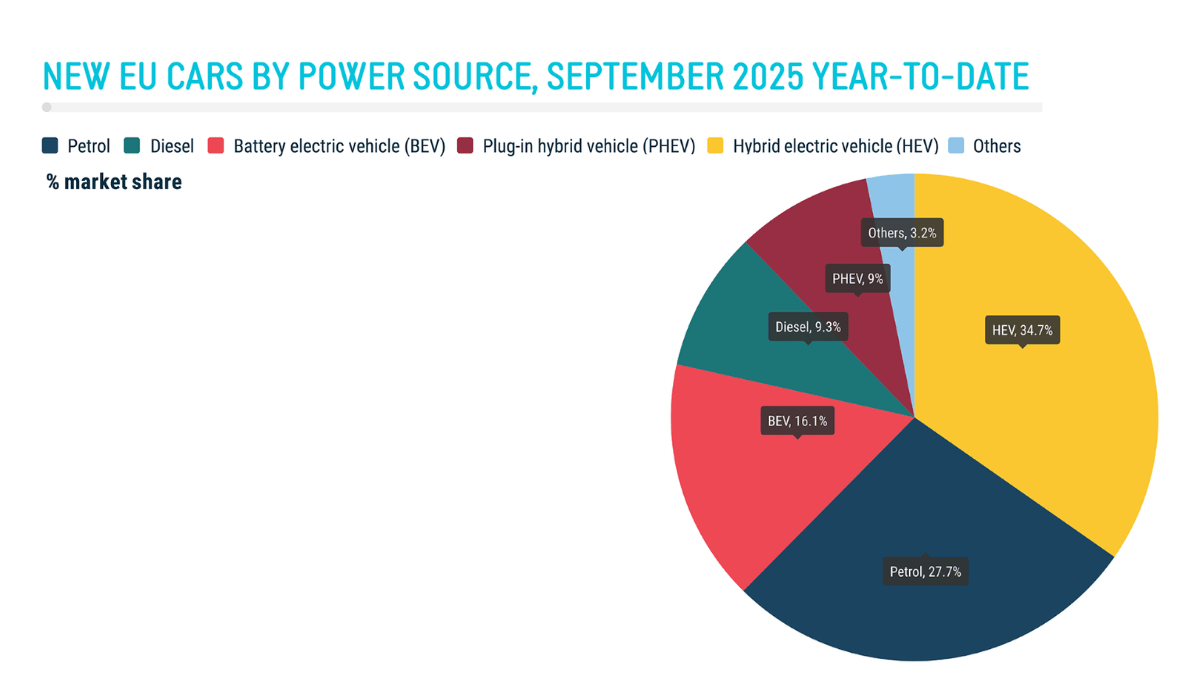
New car registrations: +0.9% in september 2025 year-to-date; battery-electric 16.1% market share
10 November 2025
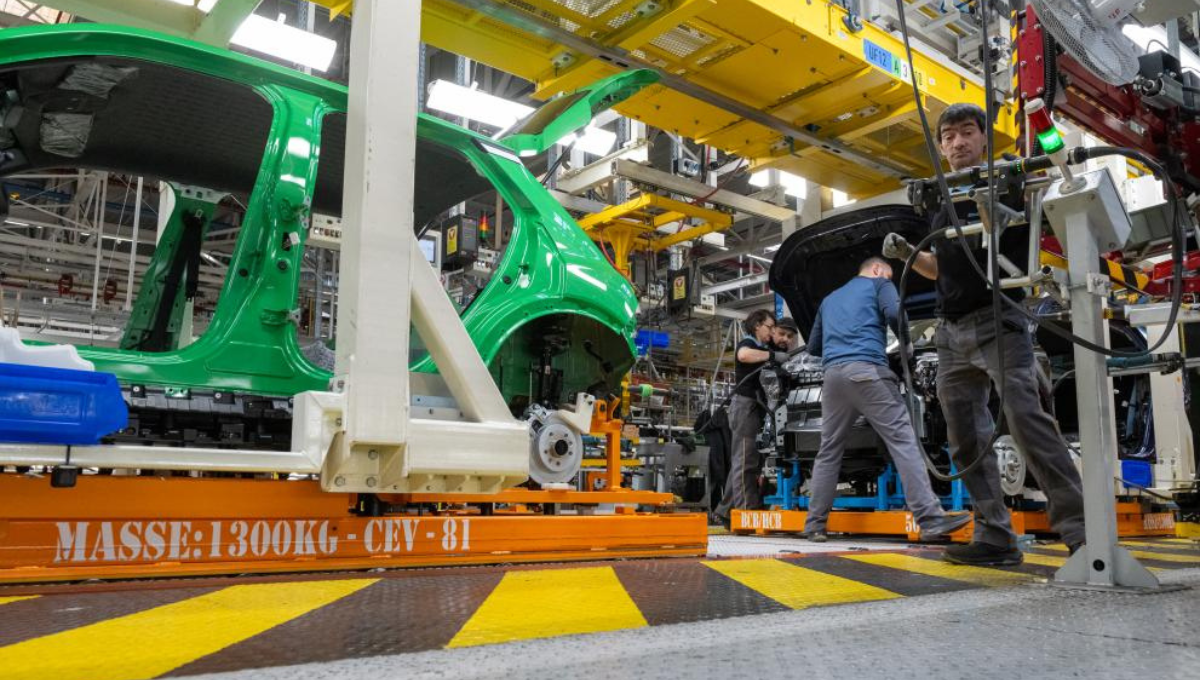
European Commission: Taking action for a clean and competitive automotive sector
17 December 2025

Nevs, the forefront of the shift towards more sustainable transportation – part two
22 September 2025