
Europe's updated CO₂ goals: a new scenario for the automotive remanufacturing sector
The European car sector is moving into a new stage of its shift toward greener mobility. European Parliament's Environment Committee approved its proposal for updated CO₂‑emission standards for new passenger cars and vans, offering more leeway to manufacturers and support for clean vehicles built in the EU.
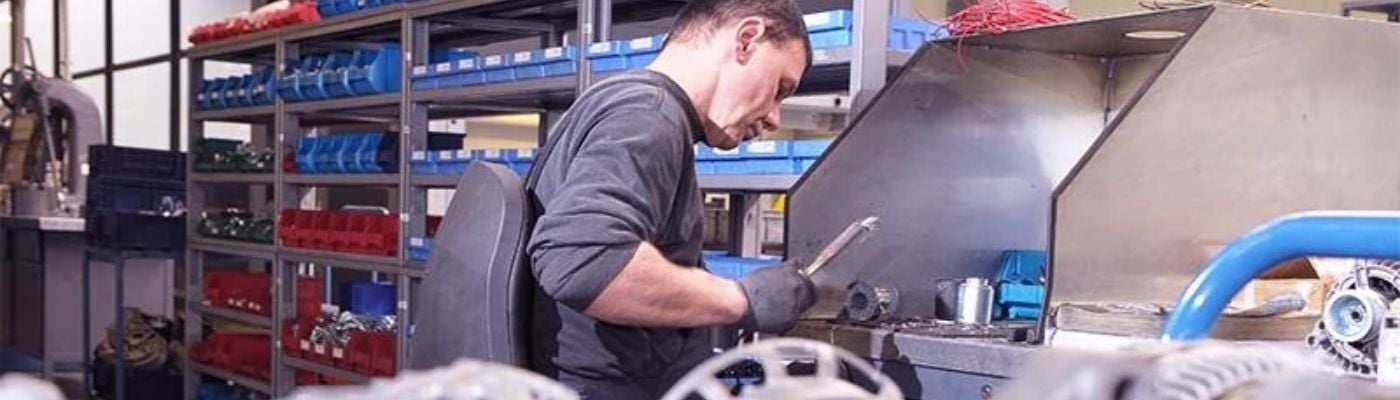
A new course for European automotive policy
The plan mainly targets emissions from new cars, its effects reach the entire automotive supply chain, covering parts makers, dealers, independent service centers, and remanufacturers.
From a remanufacturing standpoint, a more adaptable decarbonization strategy might open up renewed prospects. By acknowledging various powertrain technologies, the suggested framework could broaden the market relevance of combustion‑engine and hybrid parts while fostering the creation of novel remanufacturing options for electric vehicles.
Updated CO₂ goals and their effects on remanufacturing
A key component of the proposal deals with updating the 2035 emissions reduction goals.
For passenger cars, MEPs suggest cutting the fleet‑wide CO₂ emissions reduction goal from 100% down to 87.5%, with modest offsetting via credits for EU‑produced low‑carbon steel. For light commercial vehicles, the suggested cut targets are 35% by 2030 and 80% by 2035.
These adjustments could shape the upcoming configuration of the automotive aftermarket. A slower shift toward zero‑emission mobility may prolong the market relevance of combustion‑engine and hybrid vehicles.
Consequently, demand for rebuilt engines, turbochargers, fuel injection units, alternators, starters, transmissions, steering assemblies, and brake components could stay substantial. For remanufacturers, this offers a chance to bolster their standing as providers of dependable, affordable, and eco‑friendly alternatives to brand‑new replacement parts.
The ongoing importance of internal combustion engines (ICE) and Hybrid systems
The committee's proposal acknowledges that various powertrain technologies could aid Europe's mobility transition. The chance to identify vehicles operating solely on approved renewable and low-carbon fuels might permit certain combustion-engine technologies to continue in the European market after 2035.
This advancement is especially pertinent to remanufacturing, given the high quantity of combustion‑engine cars already in use throughout Europe. Hybrid vehicles also present notable possibilities since they merge traditional engines with electric motors, batteries, power electronics, and advanced electronic control systems. Consequently, remanufacturers must retain their knowledge of conventional mechanical parts and broaden their skills in electrification technologies. The task is to create adaptable manufacturing procedures that can accommodate various generations of automotive technology while maintaining quality, safety, and efficiency.
EU-built electric vehicles and emerging industrial opportunities
The proposal also offers incentives for electric vehicles built in the European Union. Additional calculation credits would favour small EU-made electric cars and highly efficient electric vehicles, promoting European manufacturing and boosting the automotive sector’s competitiveness. In the realm of remanufacturing, the growth of electric vehicle manufacturing offers both a chance and a difficulty. With the rise in the number of electric vehicles, the need for specialized aftermarket services is set to expand.
As already seen before, electric motors, power electronics, battery management systems, onboard chargers, and thermal‑management components may become key areas for future remanufacturing development. Nevertheless, employing these technologies demands specialized know-how, especially in battery diagnostics, state‑of‑health evaluation, electronic testing, software compatibility and functional safety. Increased collaboration among vehicle manufacturers, component suppliers and independent remanufacturers could facilitate the creation of dependable European supply chains for retrieving and refurbishing these components.
Circular economy: beyond cutting tailpipe emissions
The updated CO₂ framework also emphasizes the need to consider factors beyond vehicle emissions when assessing automotive sustainability. Vehicle manufacturing demands large amounts of raw materials, energy, and industrial resources. Producing new engines, transmissions, electric motors, and electronic systems creates environmental impacts across the manufacturing supply chain.
Remanufacturing provides another option through the retrieval of used parts, taking them apart, washing and examining each component, swapping out faulty pieces, and bringing the final product back to the needed technical standards. This method retains much of the material and energy value already built into existing components.
By lowering the need for new raw materials, cutting industrial waste, and lengthening product lifespans, remanufacturing can play a major role in achieving the automotive sector's circular‑economy goals. Thus, electrification and remanufacturing ought to be viewed as complementary approaches: the former tackles emissions from vehicle operation, whereas the latter enhances resource efficiency across the entire automotive life cycle.
An evolving aftermarket and renewed business prospects
The suggested regulatory revisions may likewise affect the European automotive aftermarket.
If combustion-engine and hybrid vehicles stay pertinent for a longer period, distributors and independent workshops will still need dependable replacement parts. Remanufactured items may grow more appealing due to their cost‑effectiveness, technical dependability, and ecological benefits. Nonetheless, a number of market obstacles persist, such as low awareness, doubts regarding product quality, supply, warranty terms, and core‑return processes.
Distributors and suppliers play a crucial part in surmounting these challenges. Improved technical data, clear product specifications, streamlined reverse‑logistics processes and workshop training are vital for boosting trust in remanufactured parts. Electronic catalogs, diagnostic data, and easier access to technical information will likewise assist workshops in pinpointing suitable products and incorporating remanufactured solutions into their repair work.
Low-carbon steel and the significance of material recovery
The committee's draft also offers incentives for EU‑made low‑carbon steel, promoting greener industrial output and bolstering European manufacturing capability. This advancement is pertinent to remanufacturing since retrieving and reusing metal‑intensive parts—like engine blocks, transmission housings, brake calipers, and steering systems—can lower the demand for new raw materials.
Although low‑carbon steel cuts the ecological footprint of newly produced items, remanufacturing retains the worth of materials already in use. Both methods complement each other and may give European automotive suppliers a significant competitive edge, as manufacturers encounter growing pressure to boost the environmental performance of their supply chains.
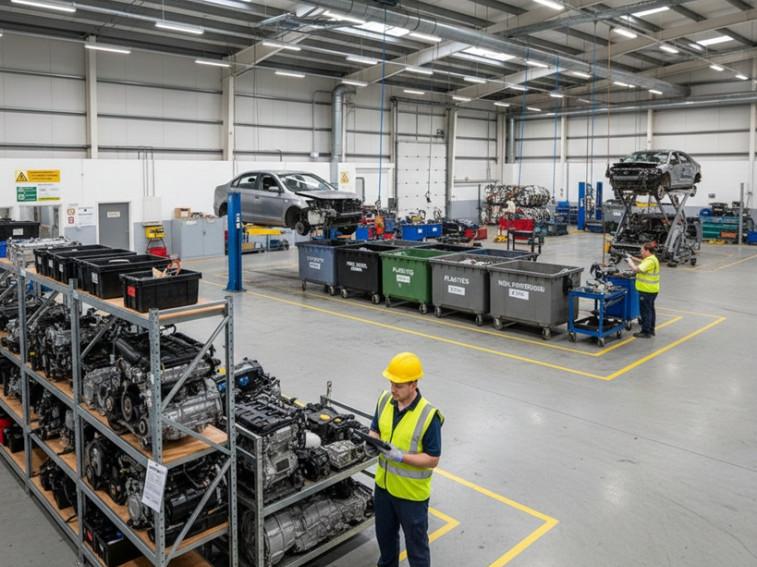
The need for greater regulatory recognition of remanufacturing
Even though it offers environmental and economic benefits, remanufacturing continues to be given too little focus in European automotive policy. The updated CO₂ framework shows increased openness to acknowledging various technological strategies for decarbonization. Nevertheless, comparable focus ought to be placed on industrial methods that lengthen component lifespans and lower resource use.
Possible actions might involve offering incentives to manufacturers that employ remanufactured parts, enhancing availability of technical data, providing assistance for cutting‑edge remanufacturing technologies, and creating more effective systems for gathering and returning used parts. Special focus must be placed on electric vehicle batteries and electronic components, as they need dedicated infrastructure, skilled staff, and sophisticated testing methods. A more cohesive regulatory system might promote collaboration among manufacturers, suppliers, remanufacturers and distributors, generating renewed business prospects while advancing European sustainability goals.
A more resilient automotive future through circular economy
By adjusting emission targets, the Environment Committee's proposal marks a significant step in the discussion about Europe's automotive future. The ramifications for remanufacturing are considerable. The ongoing importance of combustion‑engine and hybrid technologies provides prospects for incumbent firms, whereas electric mobility opens renewed markets for enterprises that can retrieve and refurbish ever more complex parts.
The industry's forthcoming competitiveness will hinge on its capacity to adjust to technological advances, allocate resources toward digitalization, enhance product quality, and build effective reverse‑logistics systems. The shift toward cleaner mobility should not be judged solely by the count of electric vehicles manufactured or the cut in emissions from new cars. It should also take into account how efficiently the automotive sector utilizes existing resources, recovers valuable materials, and prolongs the operational life of components. Remanufacturing will continue to be a crucial element of this shift, aiding Europe in creating a more sustainable, resource‑efficient and resilient automotive sector.
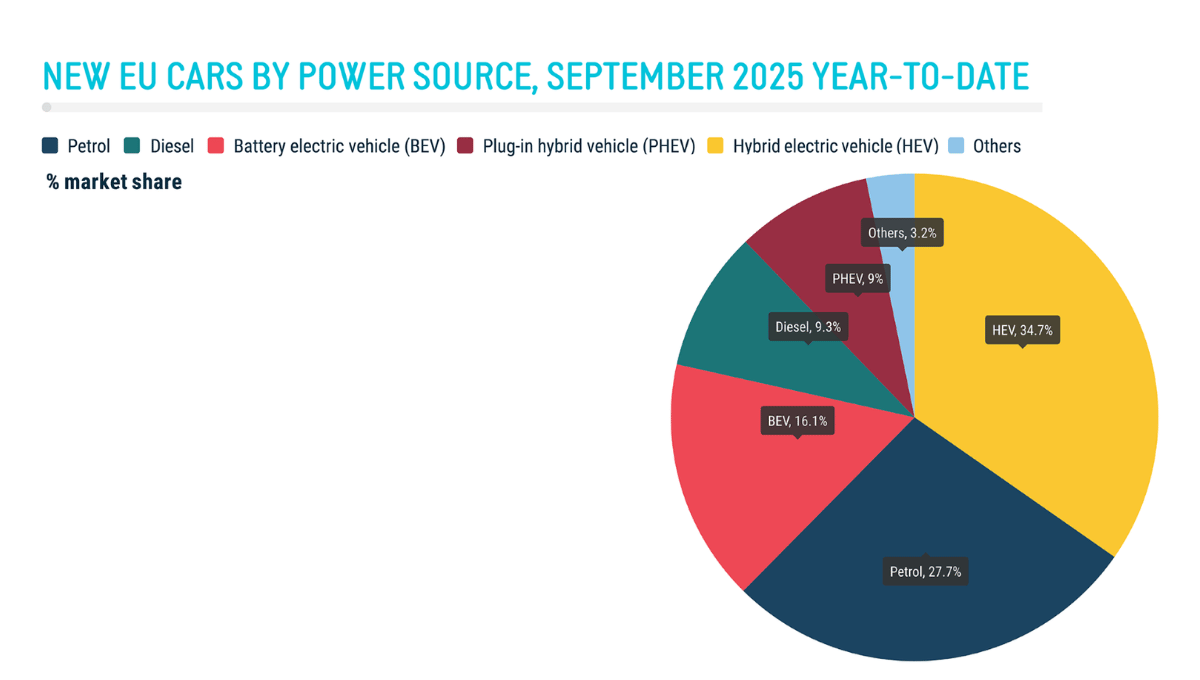
New car registrations: +0.9% in september 2025 year-to-date; battery-electric 16.1% market share
10 November 2025
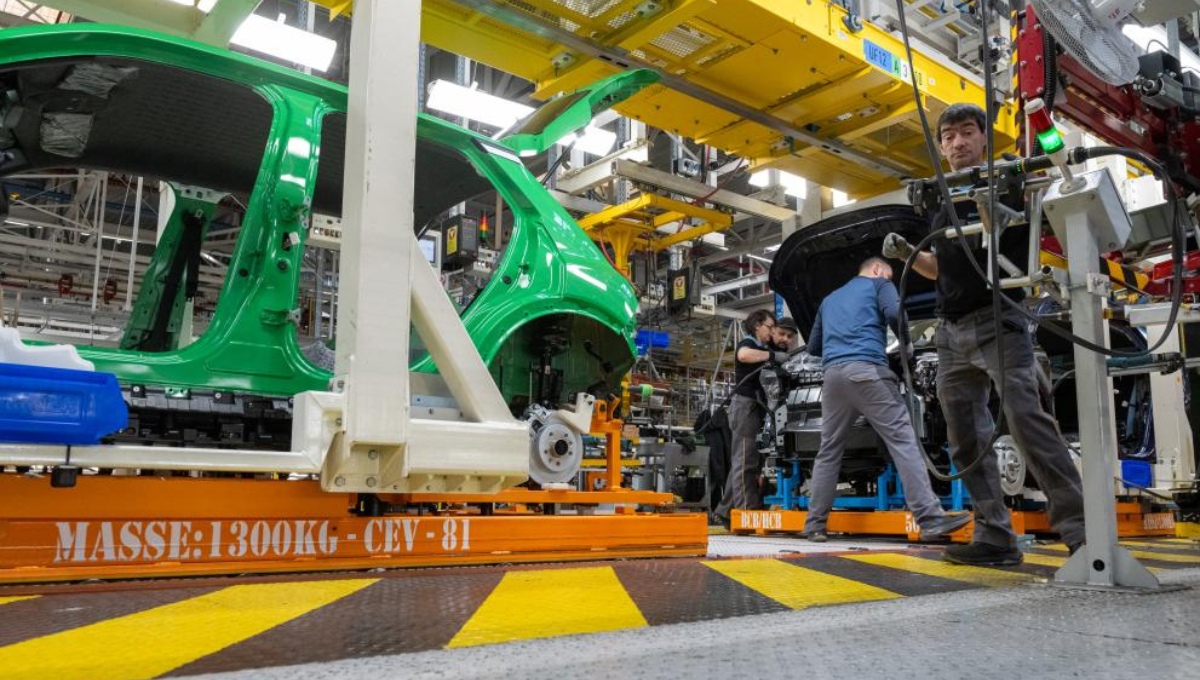
European Commission: Taking action for a clean and competitive automotive sector
17 December 2025

Rematec Amsterdam 2025 meets Meriem Jerbi, New Business Development Borg Automotive Group
08 December 2025