the Automotive reman gap
Automotive remanufacturing offers the independent aftermarket an opportunity to combine cost efficiency, technical performance and environmental responsibility. By restoring used components to a functional condition that meets defined technical specifications, remanufacturing extends product life, reduces waste and makes better use of existing materials and resources.

The underestimated workshop opportunity
However, despite advances in industrial processes and quality control, remanufactured components are not always fully understood or considered by independent workshops. Some repair professionals still associate them with outdated products or regard them as a secondary alternative to new parts. In reality, properly remanufactured alternators, starters, turbochargers, steering systems, brake calipers, transmissions and other components can provide reliable solutions when they meet the appropriate technical requirements. The main obstacle is an information gap between remanufacturers, suppliers, distributors and workshops. Product availability alone does not guarantee adoption. Repair professionals need to understand the benefits, quality standards, applications and commercial conditions before confidently recommending remanufactured components to their customers.
Why workshops need better technical information
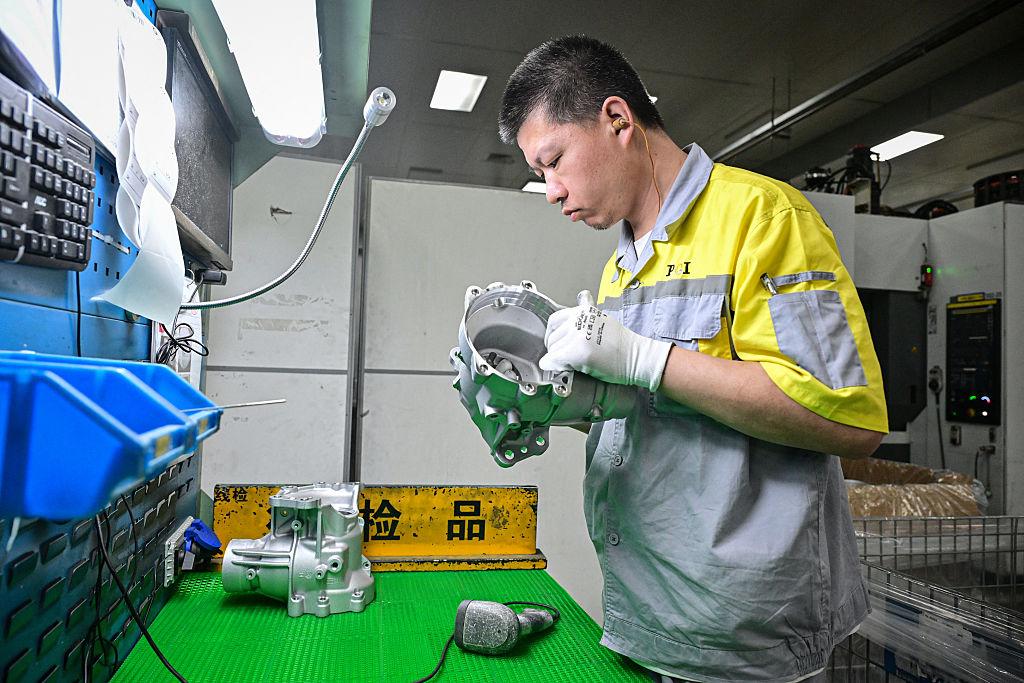
Workshops operate in an increasingly complex environment characterized by electrification, electronic control systems, advanced driver assistance systems (ADAS) and a growing variety of powertrains. Technicians must make informed decisions while managing time pressure, customer expectations and repair costs. When information about remanufactured components is incomplete or difficult to access, mechanics may prefer new parts simply because they are more familiar with their specifications and installation procedures. Suppliers and distributors should therefore provide clear, application-specific information covering vehicle compatibility, installation requirements, coding, calibration and associated components that may require inspection or replacement. They must also explain the difference between remanufacturing and simple repair. Industrial remanufacturing generally involves systematic disassembly, inspection, restoration or replacement of appropriate components, reassembly and testing against defined performance requirements. Understanding these processes enables workshops to evaluate products on technical evidence rather than price alone. It also gives mechanics the information they need to explain their choices to customers and establish confidence in remanufactured alternatives.
The responsibility of suppliers and distributors
Suppliers and distributors are essential links between remanufacturers and workshops. Their relationships with repair professionals give them considerable influence over which products are recommended, stocked and installed. Nevertheless, commercial communication often focuses on prices, availability and delivery times, leaving the technical and environmental advantages of remanufacturing insufficiently explained. A more proactive approach should include dedicated product information, technical demonstrations, training sessions and targeted promotional campaigns. Sales representatives must be able to explain the differences between new, used, repaired and remanufactured components, identifying the applications in which remanufacturing represents an appropriate solution. Digital catalogues and ordering platforms can also improve product visibility. When workshops search for replacement parts, compatible remanufactured alternatives should be clearly displayed alongside relevant specifications, prices, warranty conditions and availability. The objective is not to encourage remanufactured parts in every situation, but to ensure that workshops consider them whenever they offer a suitable technical and commercial solution.
Communicating the economic benefits
Price is a significant factor in the independent aftermarket. Remanufactured components can often cost less than equivalent new parts, helping workshops offer customers more affordable repairs without automatically compromising the required performance. However, communication should extend beyond the initial purchase price. Workshops must also consider warranty coverage, availability, delivery times, installation requirements and the potential costs associated with unsuccessful repairs. Many remanufactured products operate through a core-return system, requiring the original component to be returned for assessment and possible remanufacturing. Deposits, return deadlines and eligibility conditions must be explained clearly to avoid confusion and additional administrative work. Distributors can improve the process through transparent instructions on packaging, collection, return conditions and deposit reimbursement.
Workshops should also present remanufacturing as a value proposition rather than simply a cheaper alternative. The key consideration is whether the component provides an appropriate combination of performance, reliability, warranty protection and affordability. Clear information helps mechanics make recommendations that satisfy customers while maintaining business competitiveness.
Quality assurance, traceability and warranty confidence
Trust is essential to the wider adoption of remanufactured components. Workshops need assurance that products have undergone appropriate inspection and testing and that technical support is available if problems arise. Remanufacturers and distributors should provide accessible documentation explaining quality-control procedures, inspection criteria, replaced wear components and functional testing. Where applicable, traceability information should identify products and batches and support verification of the manufacturing process.
For electronically controlled components, documentation should also address compatibility, programming, software requirements and calibration procedures. Warranty conditions require particular attention. Workshops must understand coverage, exclusions, claim procedures and installation responsibilities. These issues are especially important for safety-critical and technologically complex systems, including braking, steering, turbocharging and electronic control units. Each component must be suitable for its intended application and comply with the relevant technical requirements. By communicating quality evidence and warranty arrangements transparently, suppliers can replace uncertainty with confidence and encourage workshops to consider remanufactured products more frequently.
Training workshops for modern vehicles
Technical information is essential, but training is equally important as automotive technology evolves. Suppliers, distributors and remanufacturers should cooperate on practical programs combining demonstrations, case studies and installation guidance. Training should cover established products, such as starters, alternators and turbochargers, as well as increasingly complex components associated with hybrid and electric vehicles. Electric mobility creates new opportunities involving electric drive systems, power electronics and certain battery-related components. However, these applications require specialized knowledge, suitable equipment and appropriate safety procedures. Workshops must understand when a component can be handled in-house and when specialist intervention is necessary. Digital resources, including webinars, technical videos and searchable online databases, can make training more accessible. Short, application-focused materials are particularly useful for technicians who need information during a specific repair. Training should also help mechanics and service advisers explain remanufacturing to customers, highlighting its technical suitability, economic advantages and environmental benefits.
Sustainability as a competitive advantage
Remanufacturing supports the circular economy by retaining value in existing products and reducing the demand for new materials. Depending on the component and process, it can also reduce waste and energy consumption compared with manufacturing an equivalent new part.
However, these environmental advantages are not always effectively communicated to workshops. Sustainability discussions often remain at the level of corporate strategies rather than becoming practical arguments for everyday repair decisions. Suppliers and distributors should provide credible, component-specific environmental information whenever reliable assessments are available. Generalized claims should be avoided because environmental performance depends on factors such as transport, energy consumption, processing requirements and the comparison being made. Combined with affordability and technical suitability, sustainability can become an additional reason for customers to choose remanufactured parts. This positions repair and component reuse as practical contributions to a more circular automotive industry.
Building a stronger remanufacturing aftermarket
The future of automotive remanufacturing depends not only on industrial innovation and product quality, but also on effective communication throughout the aftermarket supply chain.
Remanufacturers must provide reliable products and accessible technical evidence. Distributors need to improve product visibility, train sales teams and simplify core-return and warranty procedures. Workshops must become more familiar with available alternatives and evaluate them according to technical requirements, commercial value and customer needs.
Joint training programs, shared technical databases, improved digital catalogues and coordinated communication campaigns can strengthen cooperation between these stakeholders.
Ultimately, the industry must recognize that product availability does not automatically translate into market adoption. Even the most advanced remanufactured component will remain underused if workshops do not know it exists, understand its specifications or trust its quality.
Closing the information gap is therefore essential to unlocking the full potential of automotive remanufacturing. Better communication can help workshops offer competitive repairs, enable distributors to develop new business opportunities and allow remanufacturers to reach a broader market. The result can be a stronger aftermarket in which technical reliability, affordability and sustainability become complementary priorities.