BEVs market and charging systems – part two
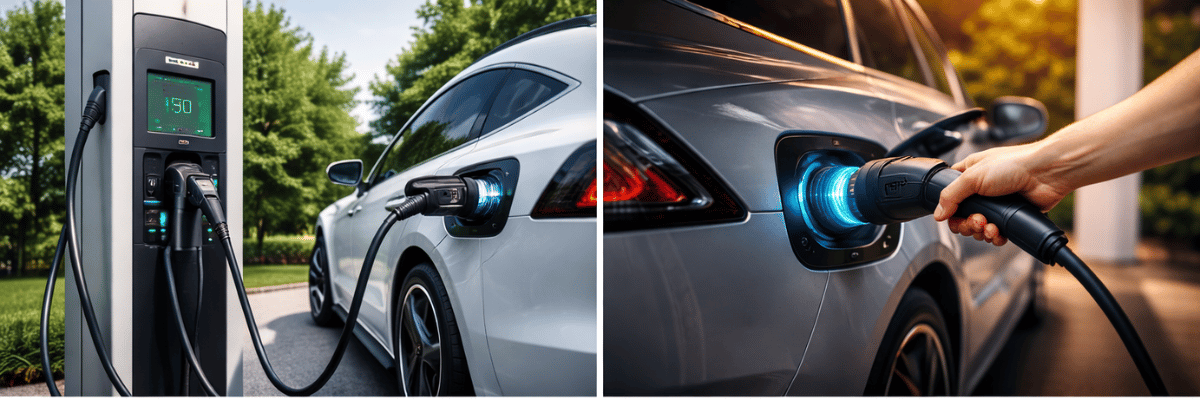
The "range anxiety" that haunted early adopters is being systematically replaced by "charging anxiety"—a concern not only about whether a charger exists, but also whether it will be functional, available, and fast enough to match the convenience of a traditional petrol station.
Charging anxiety replaces range anxiety
This shift is driven by a massive influx of capital, both public and private, and a regulatory environment that has become increasingly prescriptive, particularly in Europe and China. At the heart of the current scenario is the rapid escalation of charging speeds. The industry is witnessing a transition from standard 50kW DC fast chargers to ultra-rapid units capable of delivering 350kW or even 400kW. These high-power charging (HPC) hubs are becoming the new standard for highway corridors, enabling drivers to add hundreds of kilometres of range in less than fifteen minutes.
This technological leap is essential for the electrification of long-haul travel and for consumers who do not have access to home charging, such as those living in high-density urban apartments. However, the deployment of ultra-rapid charging is not just a matter of installing more powerful charging station; it requires a fundamental rethink of the local grid. A single site with eight 350kW chargers can demand as much power as a small town, necessitating massive investments in substations and high-voltage connections. To mitigate these demands, many operators are now integrating onsite battery energy storage systems (BESS) and solar canopies.
These allow the station to "buffer" energy during low-demand periods and discharge it rapidly when a vehicle plugs in, reducing the strain on the national grid and lowering operational costs for the provider.
A multi-speed worldwide market
Geographically, the distribution of charging infrastructure remains starkly uneven, creating a multi-speed global market. China continues to dominate, accounting for the vast majority of the world’s public charging points.
China
The Chinese model relies heavily on state-backed initiatives and a highly standardized ecosystem, which has allowed for the rapid rollout of battery swapping stations alongside traditional plug-in chargers—a model pioneered by companies like NIO.
Europe
In Europe, the landscape is shaped by the Alternative Fuels Infrastructure Regulation (AFIR), which mandates specific distance-based targets for charging stations along major transit arteries. This has turned the continent into a laboratory for interoperability, where a driver can theoretically travel from Norway to southern Italy using a single app or payment method.
USA
In contrast, the United States is currently in a phase of consolidation and standardization. The mass adoption of the North American Charging Standard (NACS), originally developed by Tesla, by almost every major automaker has brought a long-awaited sense of harmony to a previously fragmented market. The federal National Electric Vehicle Infrastructure (NEVI) program is further fuelling this expansion, aiming to create a seamless national network that reaches even the most rural corners of the country.
Plug & Charge (ISO 15118)
The technical evolution of charging is also moving toward "invisibility." Plug & Charge (ISO 15118) is becoming the gold standard for user experience, allowing the vehicle to communicate directly with the charger, authenticating the user and processing payment automatically upon connection. This eliminates the need for a chaotic array of RFID cards, mobile apps, and credit card readers that previously plagued the industry.
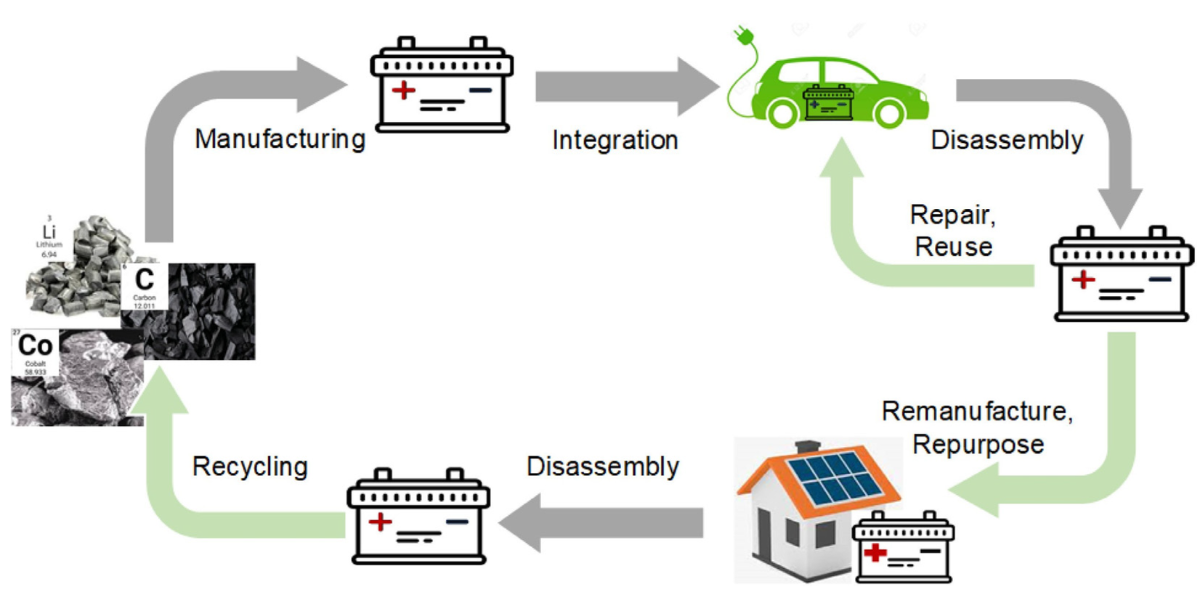
Beyond the user interface, the integration of EVs into the wider energy ecosystem through Vehicle-to-Grid (V2G) and Vehicle-to-Everything (V2X) technology is perhaps the most radical shift occurring today. EVs are no longer seen as mere loads on the grid, but as "batteries on wheels." During periods of peak demand, parked EVs can discharge energy back into the home or the national grid, providing a critical buffer that helps stabilize a system increasingly dependent on intermittent renewable energy sources like wind and solar.
This bidirectional capability is transforming the EV from a depreciating asset into a potential revenue stream for the owner and a strategic asset for utility companies. However, significant challenges remain. The "charging gap" between affluent urban areas and lower-income or rural regions is a growing concern for policymakers.
The importance of the infrastructure
Without equitable access to charging, the transition to electric mobility risks leaving segments of the population behind. Furthermore, the reliability of public infrastructure remains a point of contention; industry data suggests that a significant percentage of public chargers are out of service at any given time due to hardware failure, software glitches, or vandalism.
Improving "uptime" through better maintenance protocols and remote diagnostic tools is now a top priority for Charge Point Operators (CPOs). There is also the issue of "hidden" costs, such as the widely varying pricing models that can make public charging significantly more expensive than home charging, potentially cooling consumer interest as subsidies for vehicle purchases begin to wane in some markets. As we look toward the second half of the decade, the focus is shifting toward the electrification of heavy-duty transport.
Megawatt Charging Systems (MCS) are currently being standardized to meet the needs of electric trucks and buses, which require significantly more energy than passenger cars. This will require an even more robust infrastructure, with "electric highways" becoming the backbone of global logistics. In the private sector, we are seeing a shift in business models. Oil and gas giants are aggressively acquiring charging networks, rebranding themselves as "energy providers" to survive the decline of internal combustion.
Retailers and hospitality chains are also entering the fray, recognizing that providing a high-quality charging experience is a powerful way to attract and retain customers who will spend money in stores while their cars recharge.
The drivers of success
The current scenario of EV charging is one of extreme dynamism and structural maturation. The technology has proven itself, the capital is flowing, and the regulatory frameworks are tightening. The path forward is no longer about proving that EVs can work, but about scaling the infrastructure at a pace that matches the global climate imperatives.
The success of this transition will depend on the ability of governments, automakers, and energy providers to work in concert, ensuring that charging is as ubiquitous, reliable, and affordable as the electricity that powers our homes. The next five years will determine whether the charging network becomes the great enabler of the green transition or its most significant bottleneck.