The latest news from car brands Toyota circular factories
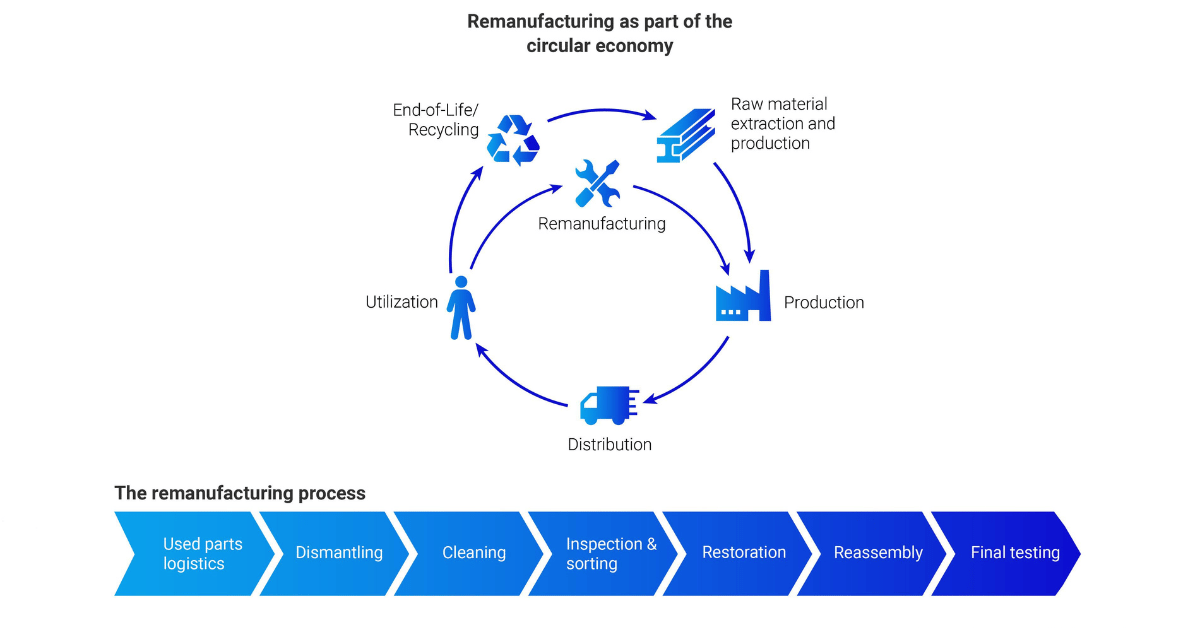
For decades, automotive production followed a straightforward, linear model: raw materials entered factories, vehicles were assembled, and eventually those vehicles reached end-of-life.
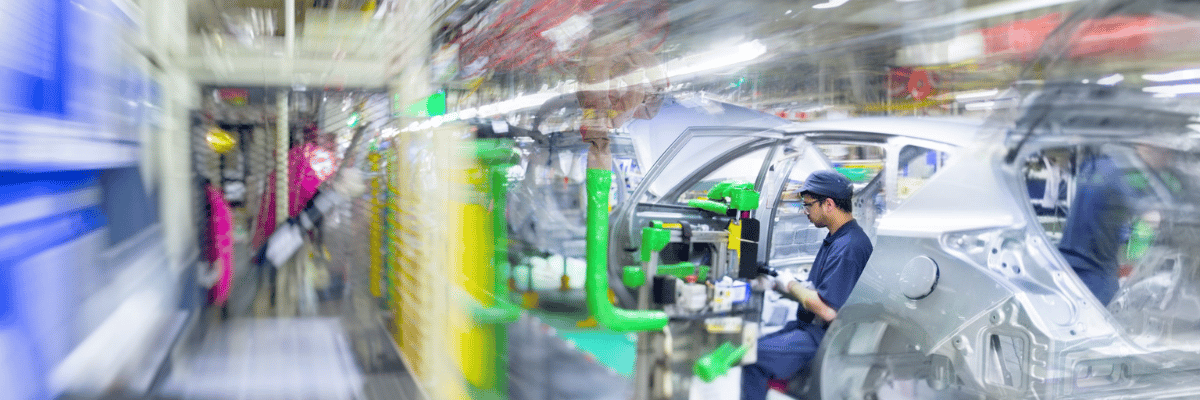
Toyota Motor Manufacturing UK’s Burnaston factory
The Toyota Circular Factory (TCF) represents a shift away from this approach, introducing practical solutions to extend the lifespan of materials and components. A clear example is the aluminium recovery loop established in the United Kingdom. Alloy wheels collected at TCF-UK are reprocessed and reintroduced into manufacturing, supporting the creation of new engine components. This initiative demonstrates how materials can remain in circulation rather than becoming waste. At the heart of this transformation is Toyota Motor Manufacturing UK’s Burnaston facility in Derbyshire, which hosts the first TCF. This pioneering site sets the foundation for a broader network of circular factories across Europe, with a second facility in Poland.
Closing the loop, from wheels to engines
At Burnaston, aluminium extracted from recovered alloy wheels is refined and sent to Toyota’s Deeside plant, where it is used in engine component production. These components are then incorporated into hybrid powertrains that return to Burnaston for installation in new Toyota Corolla models. In this way, materials from end-of-life vehicles are effectively transformed into parts for new ones, completing a full production cycle. The first vehicle built using this circular process rolled off the assembly line on March 19, marking a milestone in Toyota’s efforts to expand the use of recycled and reused materials. By applying the principles of the Toyota Production System (TPS), the TCF not only improves material recovery but also explores how circular strategies can enhance vehicle design, manufacturing efficiency, and lifecycle management. Toyota aims to extend TPS thinking into circularity, creating systems that maximise the value of materials recovered from end-of-life vehicles. The long-term goal is to establish a true circular economy, where resources are reused across multiple lifecycles, reducing environmental impact while strengthening material availability.
The growing role of circularity in Europe
The TCF initiative directly contributes to the Toyota Environmental Challenge 2050, a framework introduced to achieve carbon neutrality across global operations—targeting Europe by 2040. In particular, it supports the objective of building a recycling-based society. Increasingly stringent European regulations on recycling and material recovery are accelerating the adoption of circular practices. Toyota views this regulatory shift as an opportunity to develop innovative industrial models that enhance material traceability and anticipate future requirements. Circularity offers a practical pathway to retain the highest possible value of resources. Its key advantages include reducing reliance on virgin materials, enabling easier vehicle dismantling and repair, extending product lifecycles through refurbishment, improving material recovery at end-of-life, and reintegrating recovered resources into production processes.
Why Burnaston?
The Burnaston site was selected as the starting point for the circular factory concept due to the UK’s significant end-of-life vehicle market. Because the UK is one of the few right-hand drive markets in Europe, most vehicles remain within the country throughout their lifecycle. This has fostered a well-developed dismantling industry and a strong knowledge base.
Additionally, Burnaston has extensive manufacturing expertise. Since operations began in 1992, the plant has produced over five million vehicles and has already integrated several circular practices, including recycling streams and the use of reclaimed materials. Its experience in hybrid vehicle production further strengthens its role as a hub for circular innovation.
From dismantling to reuse, the circular process
The TCF at Burnaston follows a structured, step-by-step approach to handling end-of-life vehicles, focusing not only on dismantling but also on understanding how recovered materials can be reused. Vehicles from multiple brands—not just Toyota and Lexus—are processed, allowing for broader insights into material composition and dismantling techniques.
The process begins with safety measures, including controlled airbag deployment, followed by the careful removal of fluids and gases. Standardised dismantling is then carried out by trained technicians, who apply manufacturing expertise in reverse. Recovered materials are sorted into categories such as metals and plastics to enable efficient downstream processing. This stage also supports research into how these materials can be reused and reintegrated into the production chain. Insights gained help Toyota design future vehicles that are easier to repair, dismantle, and recycle.
In parallel, the Burnaston facility has introduced refurbishment operations aimed at extending vehicle lifecycles. Each refurbished car undergoes assessment, grading, and validation according to Toyota’s quality standards, ensuring consistency and safety. Through this structured “reverse manufacturing” approach, the Toyota Circular Factory not only recovers value from end-of-life vehicles but also feeds critical knowledge back into product development, supporting the transition toward a fully circular automotive ecosystem.
Toyota Motor Europe (TME) announce a new circular factory in Wałbrzych, Poland
Toyota Motor Europe (TME) has unveiled plans to invest in a new Circular Factory in Wałbrzych, Poland, marking another step forward in its sustainability journey. The facility, which will span approximately 25,000 square metres, is designed to handle up to 20,000 end-of-life vehicles each year. This initiative reinforces Toyota’s broader ambition to transition toward a fully circular and carbon-neutral business model. By applying the principles of reducing, reusing, and recycling, the company aims to optimise how vehicles are processed at the end of their lifecycle and to maximise environmental benefits through a structured and efficient approach.
A comprehensive approach to End-of-Life vehicles
The new Polish site will adopt an integrated strategy for managing end-of-life vehicles. Components that retain value will be recovered for reuse, while key materials will be extracted and reintroduced into production cycles. Parts such as batteries and wheels will be assessed to determine whether they can be remanufactured, repurposed, or recycled. In addition, the facility will focus on recovering essential raw materials—including copper, steel, aluminium, and plastics—which can then be used in the manufacturing of new vehicles. This approach supports a closed-loop system where resources remain in circulation for as long as possible.
Building on existing capabilities
The Circular Factory will complement and expand the activities of Toyota’s existing Wałbrzych plant, which already manufactures critical components for both hybrid and conventional powertrains. According to Leon van der Merwe, Vice President of Circular Economy at Toyota Motor Europe, this will be the company’s second Circular Factory in Europe, following the Burnaston site in the United Kingdom. That facility now serves as a reference model for developing circular economy operations across the region. Poland was chosen due to its strong potential for sourcing end-of-life vehicles, well-developed recycling ecosystem, and the presence of established Toyota manufacturing infrastructure. Looking ahead, Toyota plans to replicate similar investments in other European markets, further advancing its circular economy strategy.