AI and Robotics are increasingly transforming automotive remanufacturing
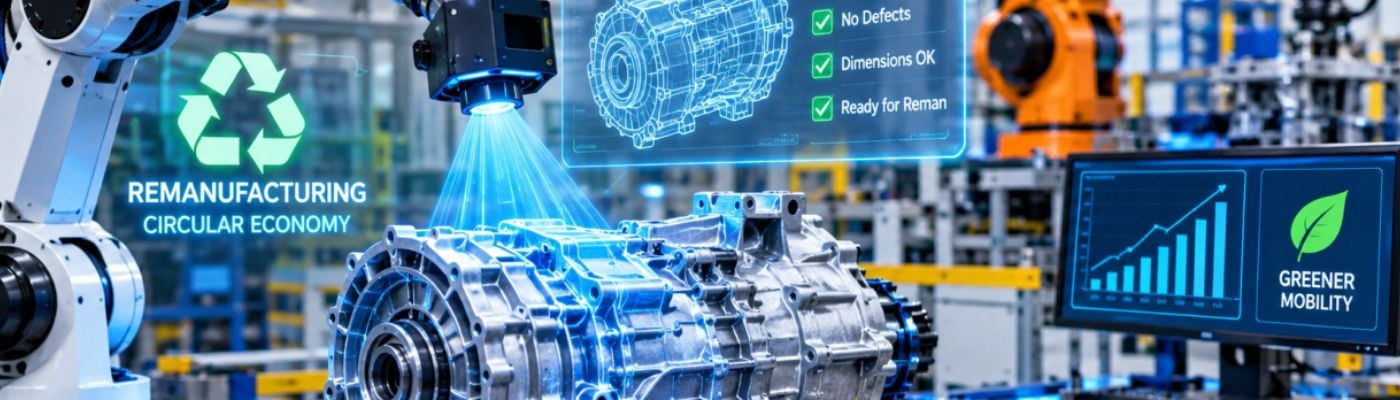
Artificial intelligence (AI) and robotics are increasingly transforming the automotive remanufacturing industry. As vehicles incorporate more advanced electronics, sensors and electrified powertrains, remanufacturers must adopt new technologies to restore components to their original performance specifications. By integrating AI, machine vision, robotics and data analytics, companies can improve accuracy, productivity and quality thsroughout the entire remanufacturing process. One of the most promising applications of AI is the inspection and identification of returned components. Intelligent vision systems can detect defects such as cracks, corrosion, deformation and surface damage, helping technicians assess whether a component can be economically recovered. By comparing inspection results with historical data, AI can also identify component versions, compatible replacement parts and recurring failure patterns. This reduces inspection times, limits human error and supports more consistent decisions.
Robotics and automated disassembly
Disassembly remains one of the most demanding stages of remanufacturing because returned components often show different levels of wear, corrosion and damage. Industrial robots can automate repetitive operations such as removing fasteners, separating components and handling heavy assemblies. However, unlike conventional manufacturing, remanufacturing requires equipment capable of adapting to different component conditions. AI-powered machine vision and sensors allow robots to recognize variations and adjust their movements to avoid damaging reusable parts. Collaborative robots, or cobots, offer further opportunities by working alongside technicians. They can support physically demanding tasks and improve production consistency while preserving the importance of human expertise.
Intelligent cleaning and surface restoration
AI and robotics can also improve cleaning operations, which are essential before inspection, repair and reassembly. Intelligent systems can evaluate contamination levels and select appropriate treatments, including mechanical, chemical and ultrasonic cleaning. This is particularly important for modern automotive components containing sensitive electronics, lightweight materials and precision-engineered surfaces. Automated cleaning helps prevent unnecessary material damage while optimizing water, energy and chemical consumption. Robotic handling can also reduce workers' exposure to chemicals and potentially hazardous substances.
Predictive maintenance and quality control
Artificial intelligence offers significant opportunities to improve quality management and equipment reliability. By continuously monitoring production data, machine-learning algorithms can identify deviations and detect potential problems before they affect the finished component.
Predictive maintenance systems analyze parameters such as vibration, temperature and pressure to identify early signs of equipment deterioration. This helps reduce unexpected downtime and maintenance costs. Automated testing equipment can also compare remanufactured components against established technical specifications. This is particularly relevant for safety-critical products such as braking systems, steering mechanisms and electronic control units. Nevertheless, AI-supported inspection must complement validated testing procedures, engineering expertise and applicable safety standards.
Digitalization and data-driven production
The integration of AI and robotics is closely connected to the digitalization of remanufacturing facilities. Connected machines, sensors and industrial software allow companies to monitor production and coordinate operations more efficiently. Digital twins represent another important development. By creating virtual representations of components, machinery and production processes, remanufacturers can simulate operating conditions, optimize disassembly and repair strategies, and identify potential inefficiencies. Digital traceability systems can also record component identification, inspection results, replacement parts and final testing. These capabilities could support the development of Digital Product Passports and contribute to greater transparency across the European circular economy.
New opportunities for EV and electronic component remanufacturing
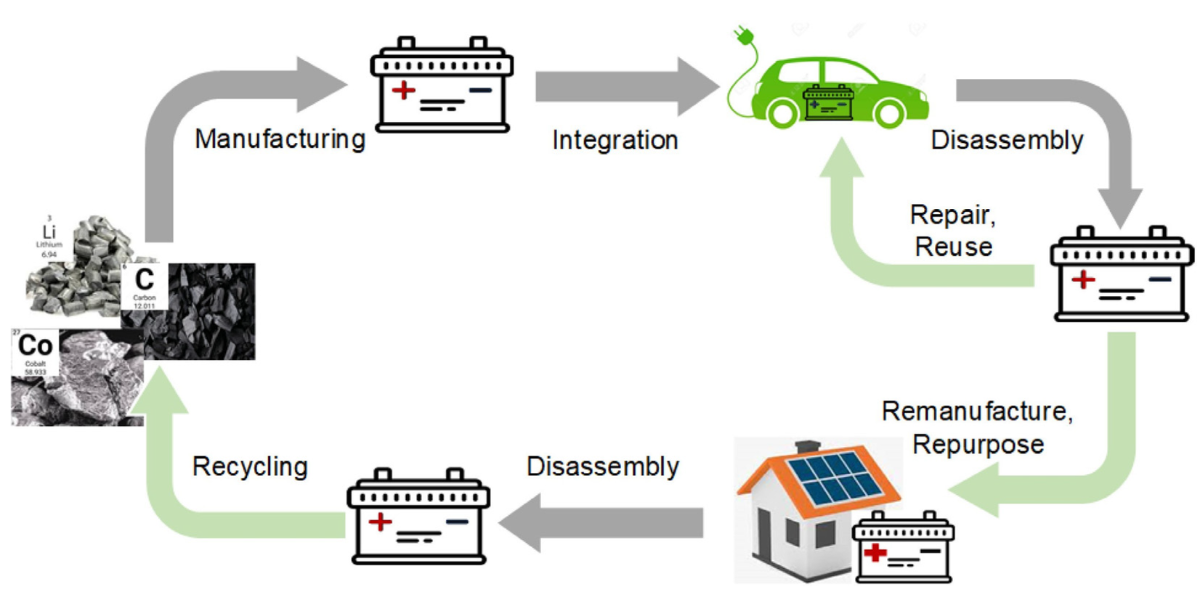
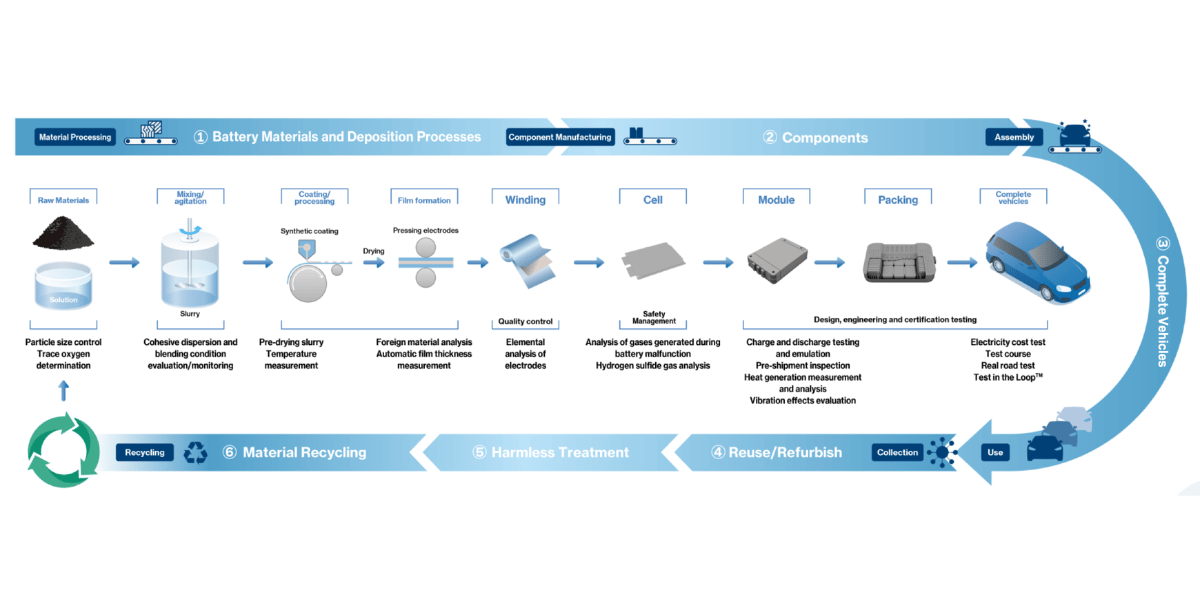
Vehicle electrification is creating new opportunities for intelligent remanufacturing. Electric vehicles contain increasingly sophisticated components, including electric motors, inverters, power electronics, battery management systems and high-voltage batteries. AI can support battery diagnostics by analyzing performance data, identifying abnormal operating patterns and assessing individual modules. Robotics can improve battery handling and disassembly, although specialized equipment, controlled environments and high-voltage safety procedures remain essential. Electric motors, inverters and electronic control units could also benefit from automated inspection, precision repair and advanced testing. However, access to technical information, diagnostic tools and manufacturers' software will remain crucial for independent remanufacturers.
Economic benefits and challenges for remanufacturers
Despite their potential, AI and robotics involve substantial investment in automated equipment, intelligent inspection systems and specialized software. Smaller remanufacturers may find adoption difficult, particularly when production volumes are limited or component specifications vary considerably. The economic benefits will depend on whether these technologies can increase productivity, reduce operating costs, improve quality and raise component recovery rates. Flexible robotic systems and modular automation could therefore offer attractive solutions for independent companies. Workforce development is equally important. Remanufacturing facilities will increasingly require professionals with expertise in robotics, electronics, software, data analysis and industrial engineering. Traditional mechanical knowledge will remain fundamental, but technicians will need to develop new skills to work alongside intelligent systems.
Rather than replacing human expertise, technological innovation will progressively redefine professional roles, combining automated precision with human experience and technical judgement.
The future towards intelligent and sustainable remanufacturing
The integration of AI and robotics could progressively transform remanufacturing facilities into more connected, flexible and efficient production environments. Intelligent inspection, automated disassembly, predictive maintenance and digital quality control will increasingly operate as interconnected elements of a single industrial system. The benefits extend beyond productivity. More accurate component identification can increase recovery rates, while optimized cleaning and repair operations can reduce waste, energy consumption and unnecessary material replacement. These improvements directly support circular economy objectives and strengthen the competitiveness of remanufactured components in the automotive aftermarket.
Collaboration between remanufacturers, equipment manufacturers, technology providers, automotive suppliers and distributors will be essential to accelerate this transformation.
AI and robotics will not change the fundamental definition of remanufacturing: restoring used products to the required original specifications. However, they could profoundly transform the technologies, processes and industrial capabilities through which this objective is achieved.