Braking Technology in the Remanufacturing Industry
The rapid evolution of automotive braking technology is transforming one of the industry's oldest safety systems into one of its most advanced engineering disciplines. Driven by vehicle electrification, stricter safety regulations, and the growing adoption of advanced driver assistance systems (ADAS), braking systems are becoming smarter, more connected, and increasingly integrated into a vehicle's electronic architecture.
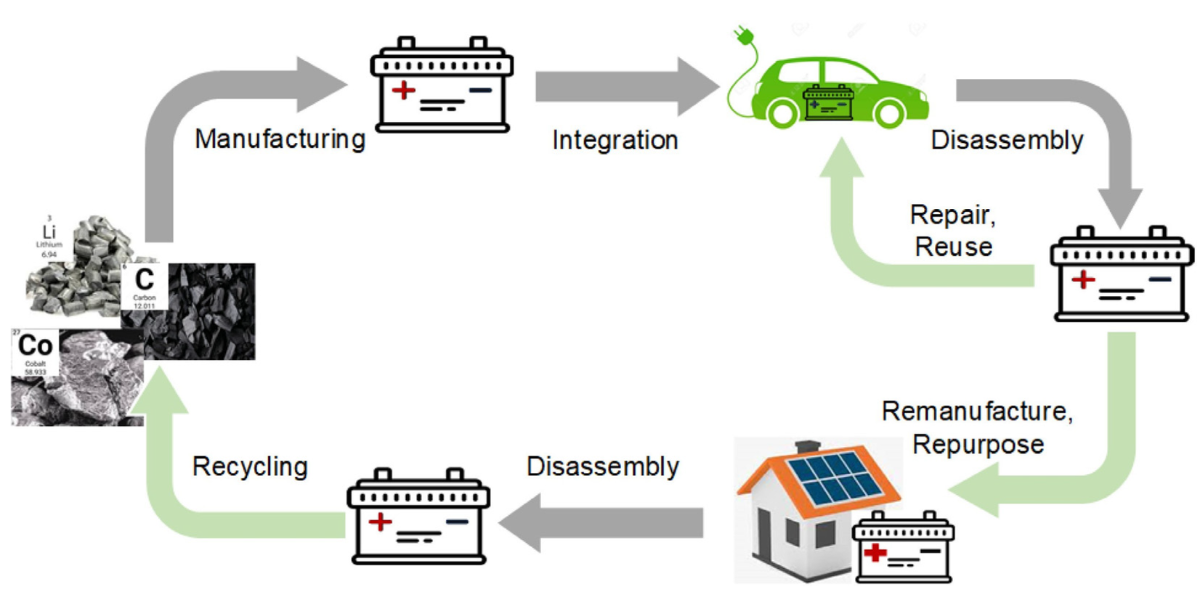
At the same time, sustainability is reshaping the aftermarket landscape. Remanufacturing has become a key pillar of the circular economy, helping to reduce emissions, conserve raw materials, and extend product life cycles.
How Electric Vehicles Are Reshaping Braking Systems
Modern braking systems extend far beyond mechanical discs, pads, and hydraulic calipers. Today's passenger cars, commercial vehicles, and electric vehicles rely on electronic control units, wheel-speed sensors, anti-lock braking systems (ABS), electronic stability control (ESC), brake assist technologies, electronic parking brakes, and increasingly sophisticated brake-by-wire architectures.
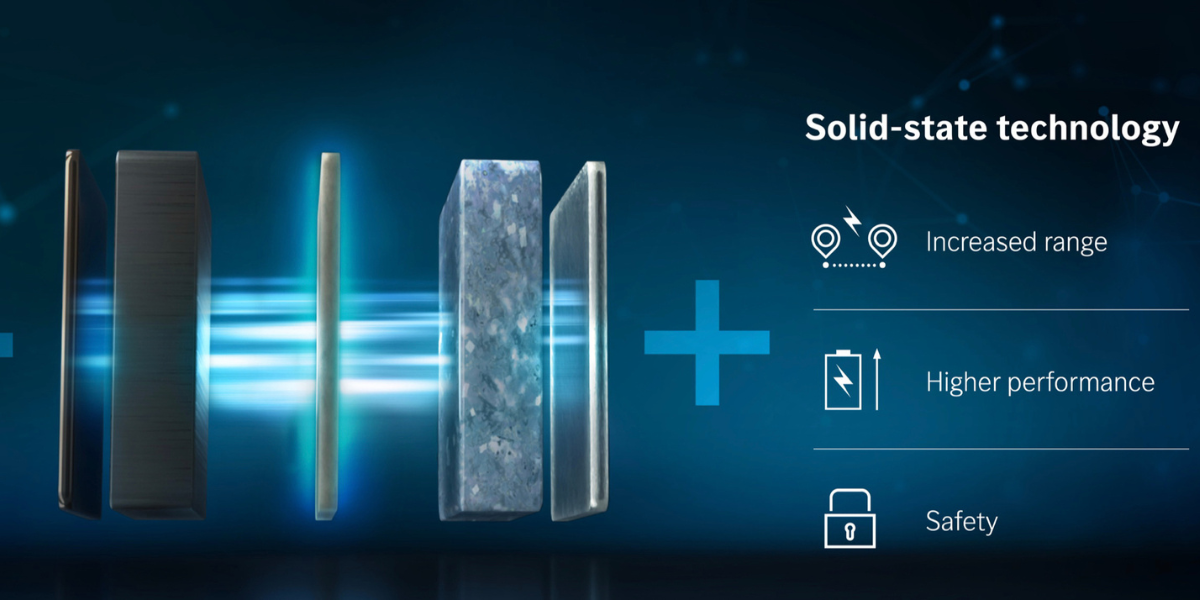
Hybrid and battery electric vehicles add another layer of complexity by combining traditional friction braking with regenerative braking. This requires intelligent software capable of seamlessly managing the interaction between hydraulic braking components and electric powertrains.
As a result, remanufacturing brake components has become significantly more complex. Every caliper, hydraulic actuator, and electronic module must go through a carefully managed industrial process that restores both mechanical performance and electronic functionality. The goal is no longer simply to repair worn components, but to deliver products that meet original equipment standards while satisfying the growing expectations of workshops, distributors, and vehicle manufacturers.
Brake Calipers: A Key Remanufactured Component
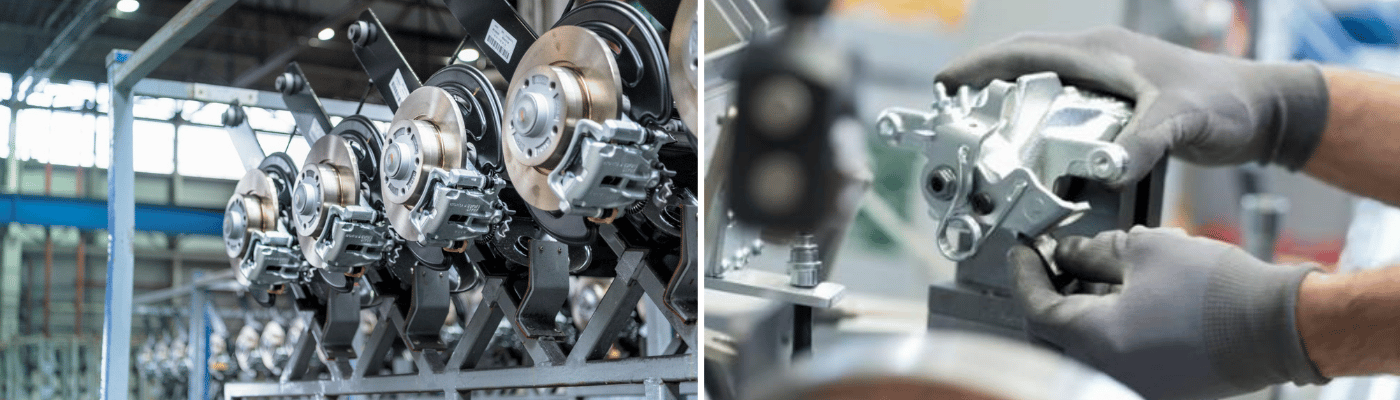
Brake calipers remain one of the most important remanufactured products in the global automotive aftermarket. Modern calipers are lighter, more compact, and often feature electronic parking brake actuators or integrated control functions that require advanced diagnostics throughout the remanufacturing process.
To ensure reliability and safety, remanufacturers increasingly depend on industrial cleaning systems, automated dimensional inspections, digital quality controls, and end-of-line functional testing. In addition, artificial intelligence and machine vision technologies are beginning to support visual inspections by identifying cracks, corrosion, wear patterns, and dimensional deviations that might otherwise go unnoticed.
Sustainability Drives Innovation
Sustainability has become one of the primary drivers of brake remanufacturing. Producing a remanufactured brake caliper requires substantially fewer raw materials and significantly less energy than manufacturing an equivalent new component.
The resulting reductions in CO₂ emissions, industrial waste, and resource consumption align perfectly with Europe's circular economy objectives. As future legislation, including Digital Product Passports and enhanced product traceability requirements, becomes increasingly integrated into the automotive sector, remanufacturing will play a more strategic role in supporting environmental targets and strengthening supply chain resilience.
Digitalization and Traceability in Modern Remanufacturing
Digitalization is accelerating the transformation of the remanufacturing industry. Modern facilities now rely on cloud-based production management systems, automated traceability platforms, barcode and RFID technologies, predictive maintenance software, and integrated quality databases.
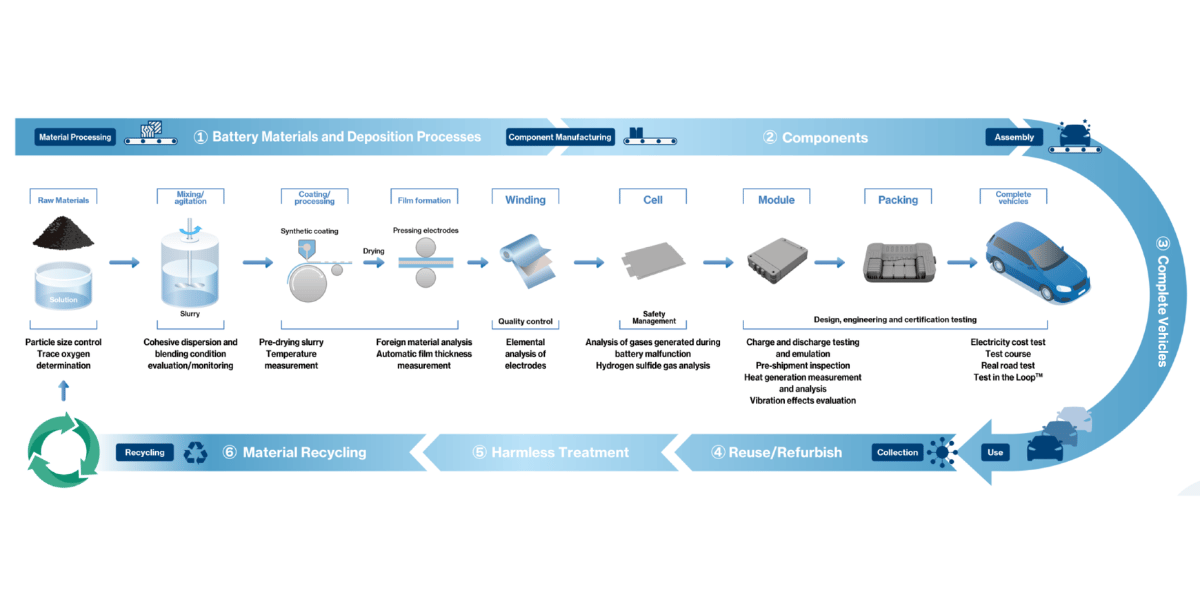
These technologies enable every recovered component to be tracked throughout its entire life cycle, from collection and inspection to remanufacturing, testing, and final distribution. This level of transparency improves quality assurance, simplifies warranty management, supports regulatory compliance, and provides valuable operational data that can be used to optimize production efficiency.
The Importance of Reverse Logistics
An equally important aspect of the remanufacturing ecosystem is reverse logistics. Unlike conventional manufacturing, remanufacturing depends entirely on the efficient recovery of used components.
Brake calipers, hydraulic modules, and other reusable safety-critical parts must be collected from workshops, distributors, and dismantlers before being transported to specialized remanufacturing facilities. Without effective reverse logistics, valuable cores would be lost from the circular economy.
Today, digital platforms help coordinate increasingly complex international recovery networks, ensuring that reusable components are identified, collected, and processed as efficiently as possible.
Valeo, Emmetec, and CoremanNet: A Fully Integrated Brake Remanufacturing Ecosystem
At Rematec Amsterdam 2027, leading companies from across the brake remanufacturing value chain will demonstrate how industrial-scale remanufacturing combines original equipment engineering, environmental responsibility, and advanced manufacturing technologies to extend the lifespan of critical automotive components.
Valeo: Advancing High-Volume Brake Caliper Remanufacturing
Valeo represents the industrialization of high-volume brake caliper remanufacturing, supported by original equipment expertise and advanced quality assurance processes.
Brake calipers are among Valeo's most important remanufactured product categories. Leveraging the engineering expertise of Valeo and FTE Automotive, the company has built one of Europe's broadest remanufactured brake caliper portfolios.
As braking technologies continue to evolve toward electronic parking brakes, brake-by-wire systems, and tighter integration with ADAS and electrified powertrains, Valeo continues to expand its remanufacturing capabilities to meet future market demands.
Emmetec: Supporting Professional Remanufacturers
While complete brake systems often receive the most attention, successful remanufacturing depends equally on the specialized technologies that support every step of the rebuilding process. This is where Emmetec has established its international reputation.
The Italian company develops repair kits, seals, pistons, guide components, dedicated tools, and workshop equipment specifically designed for the remanufacturing of hydraulic automotive systems.
As braking technologies become more complex, Emmetec continues to expand its portfolio to address the requirements of electronically controlled braking systems and next-generation vehicle platforms. Its engineering expertise helps independent remanufacturers keep pace with rapidly evolving OEM technologies while improving production efficiency and maintaining consistent quality standards.
The company also places a strong focus on specialized workshop technologies. Precision tools, cleaning equipment, and testing solutions enable remanufacturing facilities to standardize processes, reduce errors, and increase productivity. These capabilities become even more valuable as remanufacturers handle growing volumes of increasingly sophisticated brake calipers equipped with lightweight materials and electronic parking brake actuators.
CoremanNet: Powering the Circular Economy Through Reverse Logistics
CoremanNet completes the picture by ensuring that reusable brake components successfully return to the production cycle rather than becoming waste.
Every remanufactured brake caliper begins its second life long before it reaches the production line. It first needs to be identified, collected, transported, and delivered to the appropriate remanufacturing facility.
CoremanNet addresses this challenge through its expertise in reverse logistics and digital core management. The company has developed an integrated platform that connects workshops, distributors, dismantlers, logistics providers, and remanufacturers through intelligent information systems that optimize the flow of reusable automotive components.
By helping brake calipers and other valuable safety-critical parts remain within the circular economy, CoremanNet maximizes core recovery rates while improving operational efficiency throughout the supply chain.
Looking Ahead
As electrification, digitalization, and sustainability continue to reshape the automotive sector, brake remanufacturing is evolving into a highly advanced and integrated industry. Companies such as Valeo, Emmetec, and CoremanNet demonstrate how innovation, engineering expertise, and circular economy principles can work together to create a more sustainable future for the automotive aftermarket.
At Rematec Amsterdam 2027, visitors will have the opportunity to discover how these developments are driving the next generation of brake remanufacturing technologies and helping extend the life of critical vehicle components.