The role of AI in the remanufacturing field - part two
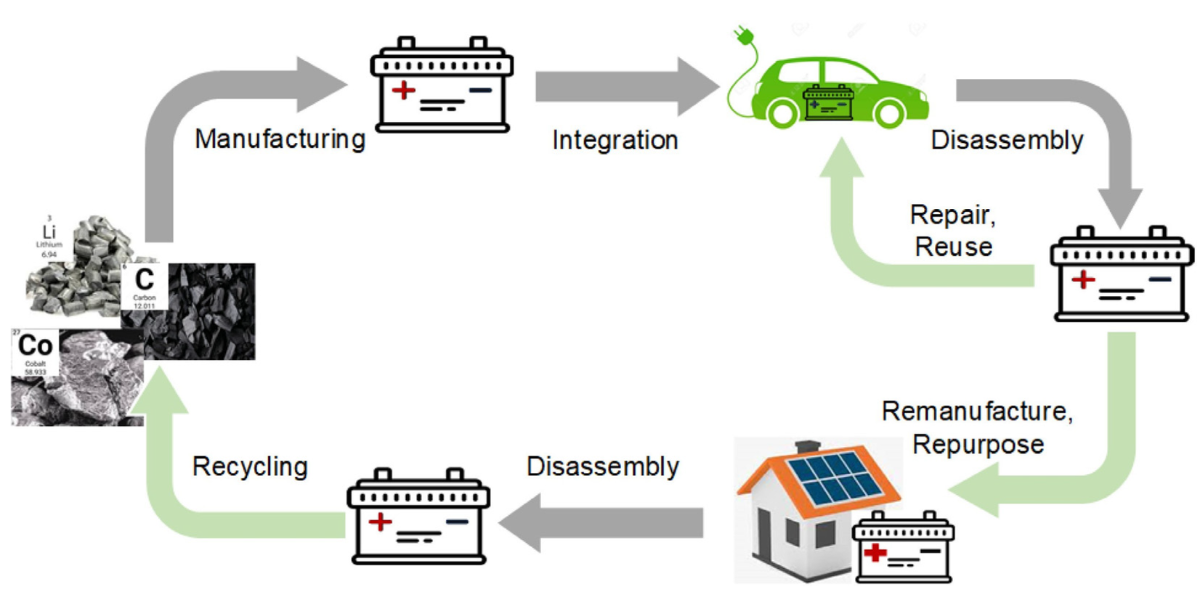
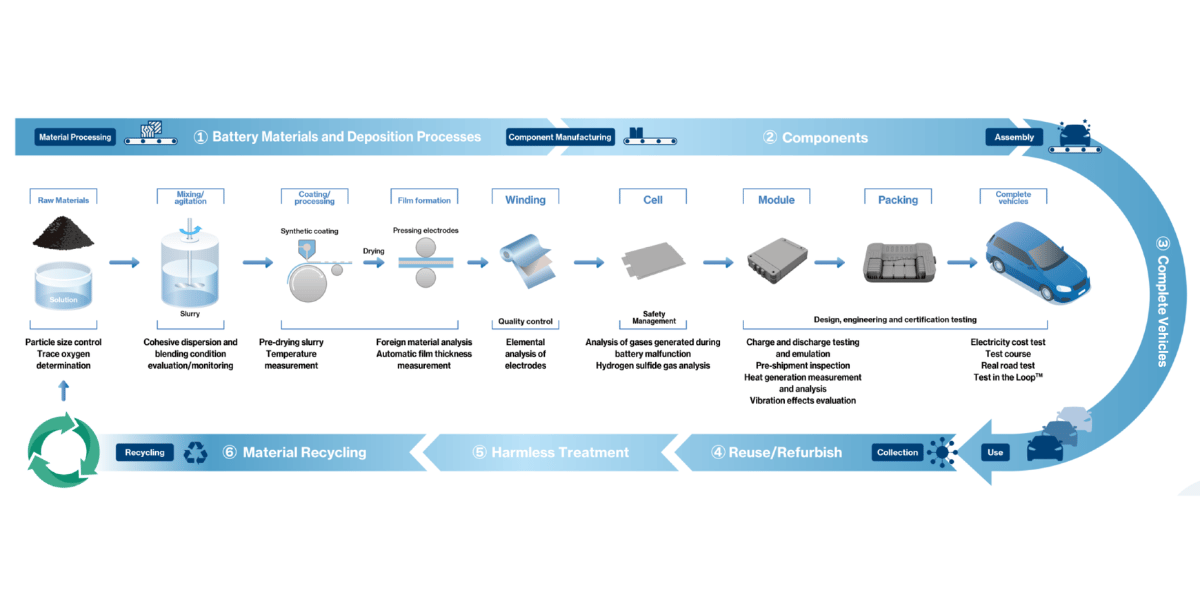
The transition to BEVs introduces a much higher degree of complexity, mainly because of the battery pack. This component represents a large share of the vehicle’s total value and environmental footprint. Unlike ICV components, which are mostly mechanical, BEV batteries are chemical and electronic systems. Because of this, a digital twin approach is essential for effective remanufacturing.
How AI is approaching remanufacturing with electric vehicles
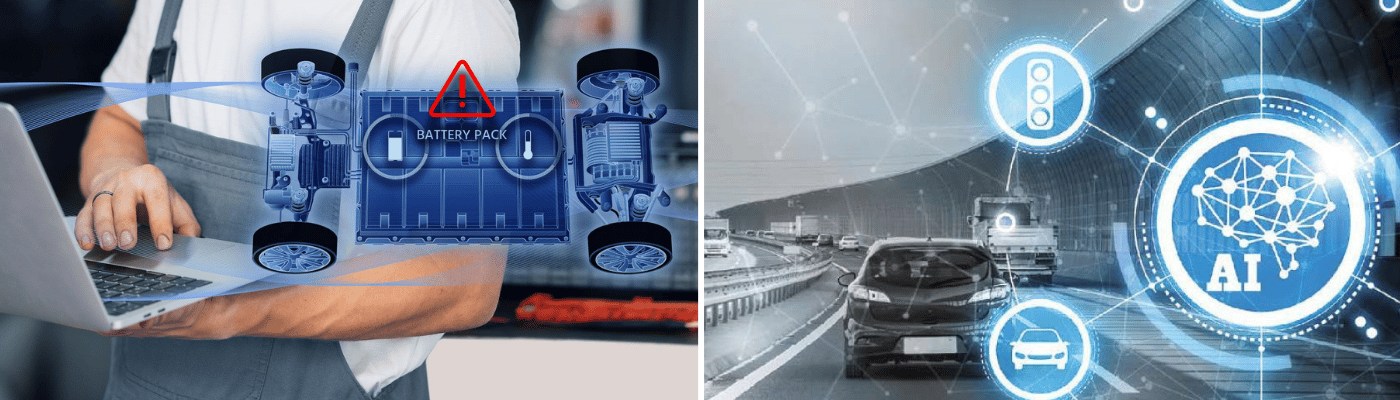
AI plays a pivotal role by processing the massive datasets generated by Battery Management Systems (BMS). OEMs hold crucial information such as State of Health (SoH), charging cycles, and thermal events. When this data is shared with remanufacturers, AI models can perform rapid health assessments that physical testing alone cannot match.
Deep learning algorithms can analyse voltage discharge curves to detect internal degradation patterns, including lithium plating or dendrite growth. These insights help determine whether a battery should be remanufactured for automotive use, repurposed for stationary storage, or sent for material recovery.
Without strong AI driven data exchange between OEMs and remanufacturers, the complex chemistry of modern batteries becomes a “black box,” leading to inefficiencies and safety risks.
AI also improves logistics and supply chain transparency, which are essential for a circular automotive economy. One of the biggest challenges in remanufacturing is the unpredictable return flow of used components. AI powered forecasting tools can analyse market trends and vehicle aging data to predict when specific parts will enter the remanufacturing stream.
This helps facilities optimize inventory, staffing, and energy consumption. For BEVs, this is especially important due to the hazardous nature of transporting lithium ion batteries. By using AI to classify incoming batteries based on OEM telematics, remanufacturers can prepare appropriate handling protocols in advance and flag unstable units before they arrive.
The future of AI in remanufacturing
The future of AI in automotive remanufacturing will be highly transformative. As the industry moves toward electric mobility, connected vehicles, and smart manufacturing, AI will become one of the most important technologies supporting remanufacturing processes.
AI systems will analyse enormous amounts of data from vehicles, sensors, production systems, and connected devices in real time. This will enable companies to predict component failures more accurately, optimize maintenance schedules, and improve the recovery and reuse of automotive parts. Machine learning will help determine whether a component should be repaired, remanufactured, reused, or recycled, reducing waste and lowering costs.
AI‑driven computer vision will become more advanced, capable of detecting microscopic defects, cracks, corrosion, and wear with extremely high precision. Automated inspection systems will reduce human error and increase the speed and consistency of quality control. Robotics integrated with AI will further improve automated disassembly, cleaning, sorting, and assembly operations.
Electric vehicles and battery remanufacturing will benefit significantly from AI. Intelligent battery diagnostics will monitor State of Health, predict degradation, and identify suitable second‑life applications. This will extend battery life, improve sustainability, and reduce the environmental impact of battery disposal.
The integration of AI with IoT, cloud computing, and digital twins will further transform remanufacturing. Smart factories will use interconnected systems to monitor equipment, track components, and optimize production lines in real time. Digital twins will allow companies to simulate remanufacturing processes before implementing them, reducing risks and improving efficiency.
AI will also support sustainability and circular economy strategies by improving resource recovery, reducing energy consumption, minimizing waste, and maximizing component reuse. This aligns with global carbon‑reduction goals and green manufacturing initiatives.
In the future, AI systems may support autonomous decision‑making within remanufacturing facilities. Intelligent platforms could manage inventory, schedule maintenance, optimize logistics, and coordinate robotic systems with minimal human intervention. Human workers will increasingly collaborate with AI‑powered machines rather than performing repetitive manual tasks.
Despite these advantages, challenges remain. High investment costs, cybersecurity risks, data management issues, workforce training, and the need for standardized regulations will all influence adoption. Companies will require skilled professionals capable of managing AI technologies, data analytics, and smart manufacturing systems.
Overall, AI is expected to create smarter, faster, safer, and more sustainable remanufacturing systems. It will become a key enabler of intelligent factories, circular economy models, and advanced electric mobility solutions.