The role of AI in the remanufacturing field - part one
Artificial intelligence is rapidly redefining the automotive remanufacturing industry. As vehicles become more complex, particularly with the rise of electric mobility, traditional remanufacturing methods are no longer sufficient. AI enables a shift toward data driven processes, offering deeper insights into component condition, performance, and lifecycle management.
From predictive diagnostics to advanced battery analysis, AI is transforming how automotive parts are restored, reused, and repurposed. This evolution not only improves efficiency and quality, but also plays a crucial role in supporting a more sustainable, circular economy.
AI as a Transformative Force in Automotive Remanufacturing
The integration of artificial intelligence into the automotive remanufacturing sector represents a transformative shift from traditional mechanical restoration to a data driven circular economy model. As the industry faces the dual challenges of internal combustion engine vehicles (ICVs) and the rapid rise of battery electric vehicles (BEVs), AI has become the essential bridge enabling complex technical data exchange between OEMs and remanufacturers.
AI as an Information Ecosystem
This evolution is not only about improving factory floor efficiency; it is about creating a sophisticated information ecosystem where the lifecycle of every component is tracked, analysed, and optimized through shared intelligence.
In the context of ICVs, remanufacturing has long focused on engines, transmissions, and alternators. Historically, these processes relied heavily on manual inspection and legacy expertise. AI changes this dynamic by introducing predictive diagnostics and advanced computer vision.
Machine learning algorithms can analyse historical performance data shared by OEMs to predict the remaining useful life of engine components before disassembly even begins. This pre emptive insight streamlines sorting, helping remanufacturers distinguish between cores suitable for restoration and those that should be recycled.
OEM provided diagnostic codes and telematics data form the foundation for these AI models. When OEMs share real time engine health information, AI can identify wear patterns linked to specific driving behaviours or regional conditions. This allows remanufacturers to tailor their processes to localized stress factors.
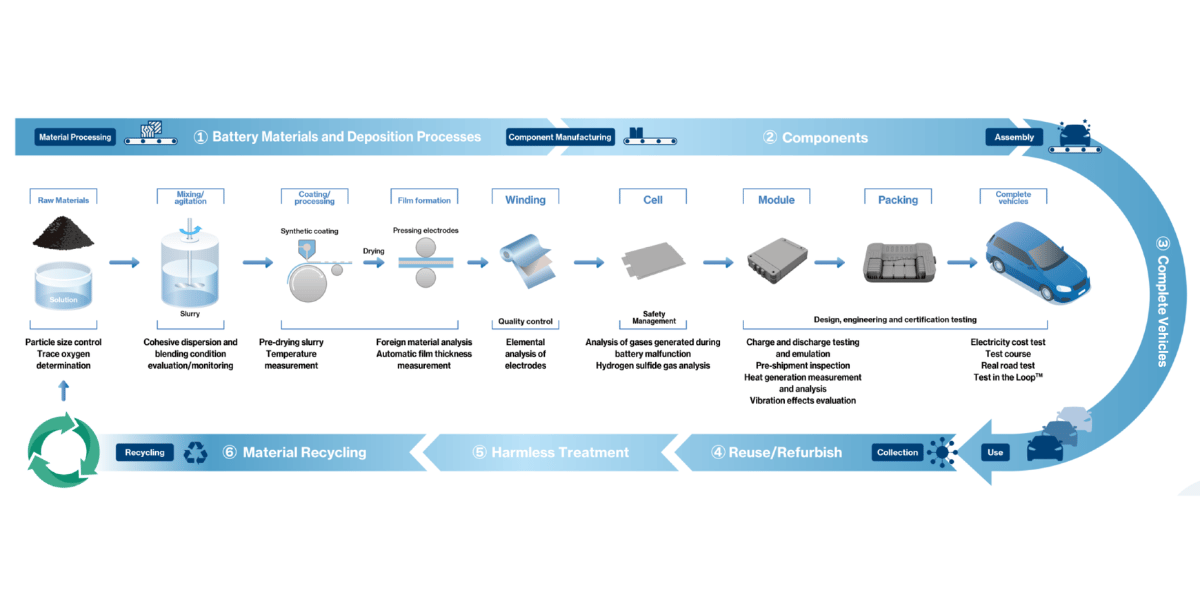
AI also optimizes industrial operations by monitoring production lines, automating quality inspections, controlling robotic systems, predicting equipment wear, and improving energy efficiency. It supports decisions on whether components should be repaired, reused, remanufactured, or recycled — increasing sustainability and reducing waste.
AI and the “Right to Repair”
The collaborative nature of AI also helps address long standing tensions around “right to repair” and intellectual property. AI enables secure data sharing frameworks where OEMs can provide essential technical parameters without exposing sensitive IP.
Blockchain enabled AI systems can verify that a remanufactured part meets the original performance specifications, effectively creating a digital “passport” for each component. This builds consumer trust and ensures traceability.
This is especially critical for BEVs, where software integration is central to vehicle functionality. A remanufactured inverter or motor controller must be fully compatible with the OEM’s proprietary operating system. AI driven simulation environments allow remanufacturers to test these components virtually against OEM software logic, ensuring seamless operation once installed.
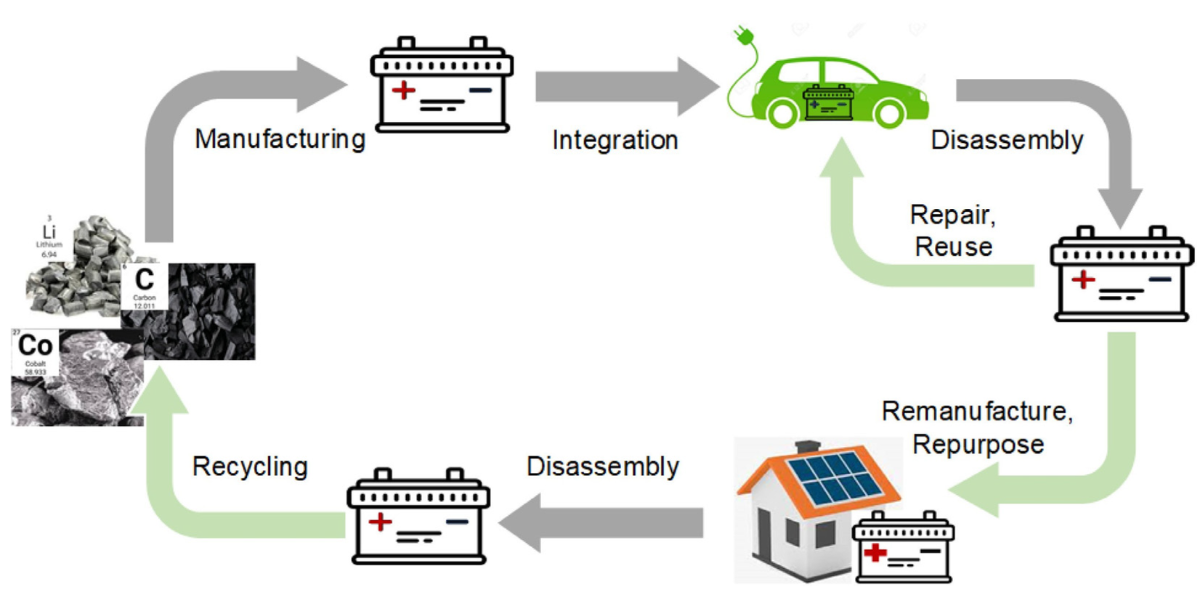
Ultimately, AI shifts the industry from reactive repair to proactive lifecycle management. For ICVs, it maximizes the value extracted from existing mechanical assets, reducing the need for virgin materials. For BEVs, it provides the technical foundation for sustainable battery lifecycles, helping mitigate the environmental impact of mineral extraction.
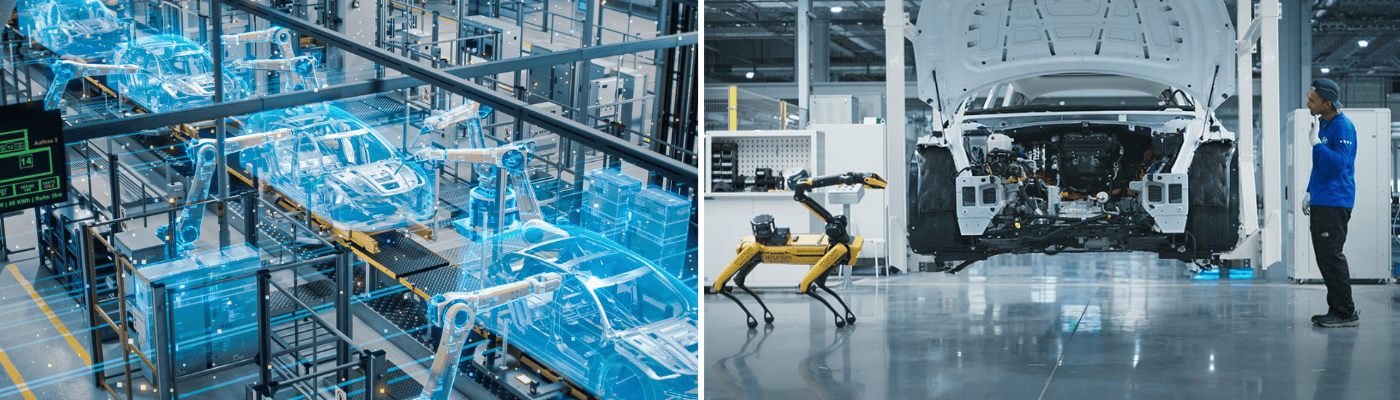
By turning raw data into actionable intelligence, AI transforms remanufacturing plants from traditional workshops into high tech data hubs. This ensures that every vehicle — whether powered by gasoline or electricity — can be renewed with precision, safety, and transparency. It represents the peak of industrial digitalization, where the goal is no longer just to build new machines, but to intelligently sustain the ones we already have.
AI in Automotive Software Systems
AI also plays a central role in modern automotive software systems. It enables real time decision making and data analysis across vehicles, manufacturing, maintenance, and user services.
AI processes data from cameras, radar, LiDAR, and other sensors to help vehicles detect lanes, traffic signs, pedestrians, and obstacles. It supports steering, braking, and acceleration functions, improving driving safety and forming the backbone of Advanced Driver Assistance Systems (ADAS) and autonomous driving technologies.
AI enhances driver personalization and human–machine interaction through voice assistants, behaviour analysis, fatigue detection, and intelligent adjustments to climate control or seating. These features improve comfort, convenience, and safety.
In connected vehicles and IoT based automotive systems, AI enables real time monitoring, remote diagnostics, intelligent navigation, traffic optimization, over the air updates, and cybersecurity protection. Continuous data collection and analysis help improve performance, safety, and user experience.
AI based software systems also support predictive maintenance by analysing sensor and vehicle data to detect failures before they occur. This reduces downtime, lowers maintenance costs, and improves reliability. For example, AI can identify abnormal vibration, temperature fluctuations, or battery behaviour and alert technicians before serious issues develop.